Pakistan’s tax net is tightening around real estate, and 2025–26 has introduced two changes every plot buyer in Rawalpindi and Islamabad needs to understand. The first is Section 114C of the Income Tax Ordinance, 2001 — a new “eligible person” gate that can legally stop non-filers from registering high-value property. The second is the widened gap in Section 236K advance tax, where a filer pays as little as 1.5% while a non-filer can be hit with up to 18.5%. Together they make one message unmistakable: get onto the Active Taxpayer List (ATL) before your next purchase, not after.
What Section 114C actually says
Introduced through the Finance Act, 2025, Section 114C restricts certain economic transactions to an “eligible person.” The law defines the two key terms clearly:
- Eligible person — someone who has filed a return of income for the tax year immediately preceding the transaction and has declared sufficient resources in their wealth statement (for individuals) to justify the purchase.
- Ineligible person — simply, anyone who is not an eligible person. This captures both non-filers and filers whose declared wealth does not cover the value of the asset they are buying.
The critical point: registering, recording, or attesting the transfer of immovable property can be blocked for an ineligible person once the Fair Market Value crosses Rs 50 million for residential property or Rs 100 million for commercial property. Similar caps apply to vehicles above Rs 7 million and securities investments above Rs 50 million.
Is 114C in force right now?
Here is the nuance investors must not miss. As of mid-2026 the registration-blocking machinery of Section 114C is on the books but not yet activated. The federal cabinet declined to switch on the restrictions from 1 July 2026, and the government has signalled it will move a fresh summary to reactivate them. Because enforcement is an IMF-linked commitment, the direction of travel is one-way: activation is a question of when, not if. Treating today’s pause as permanent is exactly the mistake that leaves an investor stranded mid-deal when the switch flips.
Section 236K: the cost you pay today regardless
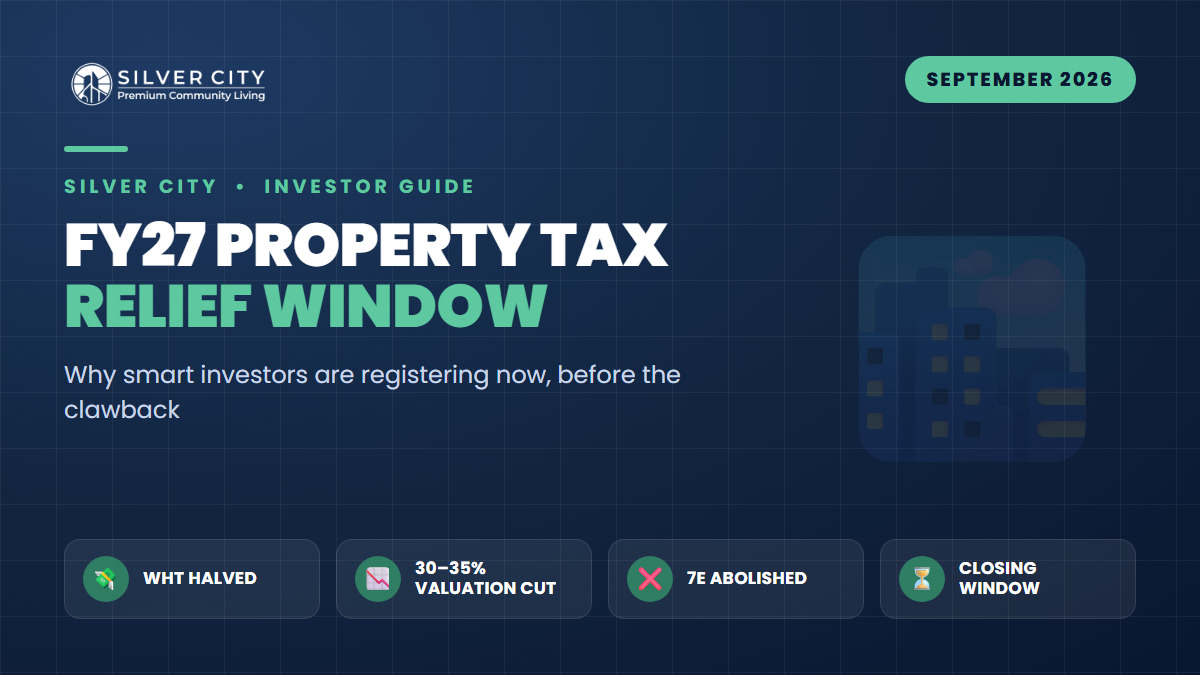
Even before 114C bites, the advance tax under Section 236K already prices in your filer status at the registry. For tax year 2025–26 the Finance Act, 2025 reduced the filer rate (down from 3%) while keeping non-filers in punishing penal slabs. The tax is charged on the higher of the deed price or the FBR-notified value, and it is collected by the registering authority before transfer.
| Property value (higher of deed / FBR value) | Active Filer (236K) | Non-Filer (236K) |
|---|---|---|
| Up to Rs 50 million | 1.5% | 10.5% |
| Rs 50 million – Rs 100 million | 2% | 14.5% |
| Above Rs 100 million | 2.5% | 18.5% |
The gap is not a rounding error — it is a wealth transfer from the careless to the state. Worse, for a filer every rupee paid under 236K is adjustable against annual income tax liability; for a non-filer it is a permanent, non-recoverable cost sitting on top of the higher rate. And note the change of category: the intermediate “late filer” discount bracket has now been abolished, so you are treated as either a filer or a non-filer — no soft landing in between.
A worked example on a Rs 40 million plot
Say you buy a residential plot valued at Rs 40 million in a society near the Rawalpindi–Islamabad corridor:
- As an active filer: 236K = 1.5% = Rs 600,000 — and adjustable against your tax return.
- As a non-filer: 236K = 10.5% = Rs 4,200,000 — gone for good.
That is a Rs 3.6 million penalty for not filing a return that, for most salaried and business individuals, costs a fraction of that to prepare.
Why “just being a filer” may not be enough
A subtle trap in Section 114C: filing alone makes you a filer for 236K purposes, but to be an eligible person for a large purchase you must also show the money in your wealth statement. If you file a return but your declared assets and income cannot explain a Rs 60 million buy, you can still be treated as ineligible. The lesson for serious investors is to build a clean, consistent filing history — declaring plots, savings and income year on year — well ahead of a major transaction, so your wealth statement can carry the purchase.
Your action plan before the next purchase
- File your latest return. You must have filed for the tax year immediately preceding your transaction to qualify.
- Get onto the ATL. If you missed a deadline, you can still be placed on the Active Taxpayer List after paying the applicable ATL surcharge under Section 182A.
- Verify your status. Check the FBR ATL (SMS “ATL [space] CNIC” to 9966, or the online list) before you sign anything.
- Reconcile your wealth statement. Make sure declared resources realistically cover the plot you intend to buy.
- Time the deal. Filing takes days; the tax difference can be millions. Do it before the token, not after the transfer date is fixed.
Frequently Asked Questions
Can a non-filer still buy property in Pakistan right now?
Yes — for the moment. The Section 114C registration block has not been activated, so registries are still processing non-filer transfers. However, non-filers pay the penal 236K slabs (10.5%–18.5%), and once 114C is switched on, high-value residential (above Rs 50 million) and commercial (above Rs 100 million) registrations can be refused outright for ineligible persons.
What is the difference between an “ineligible person” and a “non-filer”?
All non-filers are ineligible, but not all ineligible persons are non-filers. Under Section 114C you are eligible only if you filed last year’s return and your wealth statement shows enough declared resources for the purchase. A filer buying beyond their declared means can also fall foul of the rule.
Is the 236K advance tax refundable?
For an active filer, 236K is adjustable against your annual income tax liability, so it is effectively recoverable through your return. For a non-filer it is a final, non-adjustable cost — one of the biggest hidden penalties of staying out of the tax net.
How quickly can I become an active filer?
Filing a return can be completed in a matter of days with the right documents, and payment of the ATL surcharge (where a deadline was missed) can restore active status. Plan for a week or two before your transaction date to be safe.
The takeaway
Section 114C and the widened 236K slabs both point the same way: the cost of staying a non-filer is now measured in millions per transaction, and the right to register a high-value plot may soon depend on being an eligible person. For anyone eyeing an RDA-approved option in the Rawalpindi–Islamabad belt — Silver City, an RDA-approved housing society on Girja Road near the Thalian interchange, is one worth considering — the smartest first step isn’t choosing the plot. It’s getting your filer status and wealth statement in order first, so the deal closes cleanly and at the 1.5% rate rather than the penal one.
@@END@@